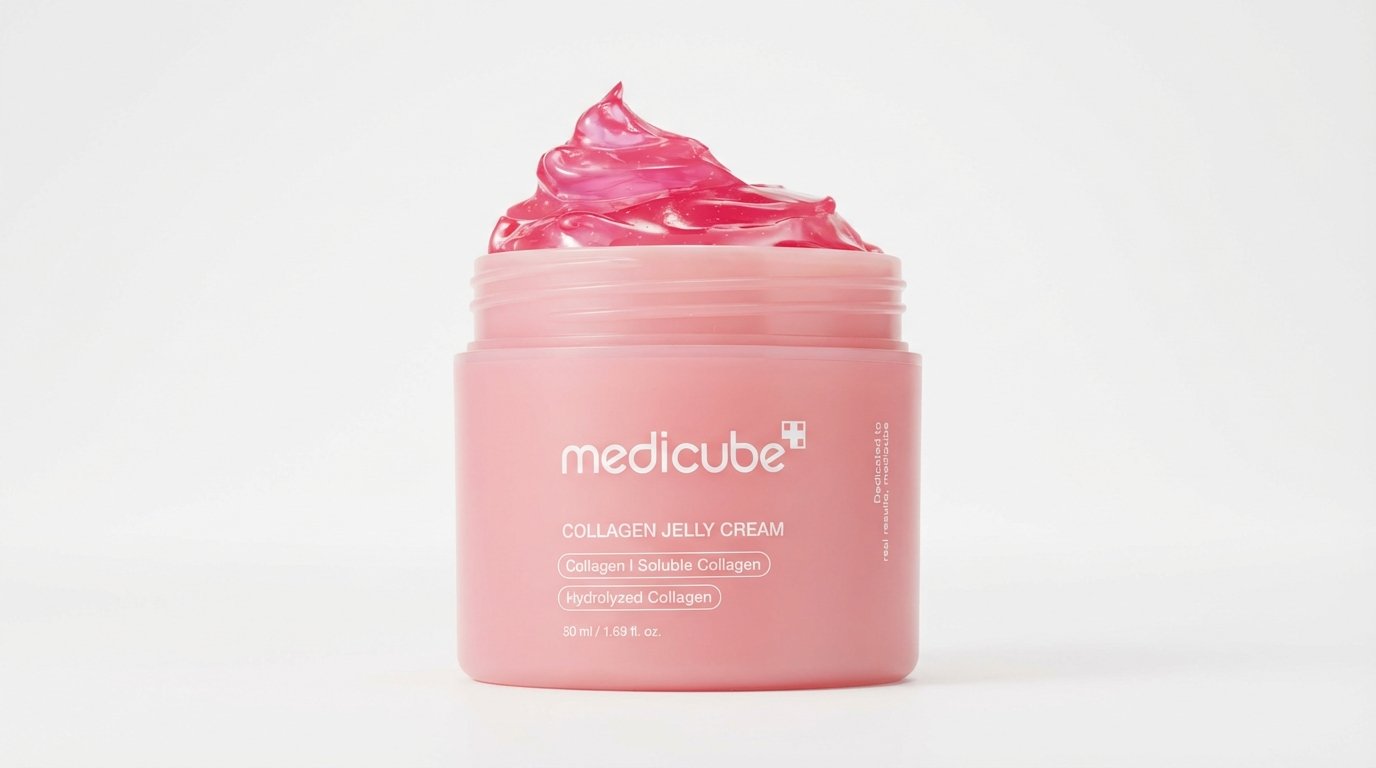
For the discerning skincare user, the ingredients list is the most important part of the product. Understanding the science behind the marketing claims is what separates a good addition to your routine from a bad one. Two ingredients that consistently appear in results-driven formulas are hydrolyzed collagen and niacinamide. But what exactly do they do, and how do they work to improve skin texture and elasticity? Think of them not just as individual components, but as a support system for your skin’s fundamental health. Grasping how they function is key to appreciating why they are so effective, especially when combined in a thoughtful formulation like a collagen jelly cream. This is about moving beyond the hype and focusing on the cellular-level changes that lead to visibly healthier, more resilient skin.
What is hydrolyzed collagen and why does it matter?
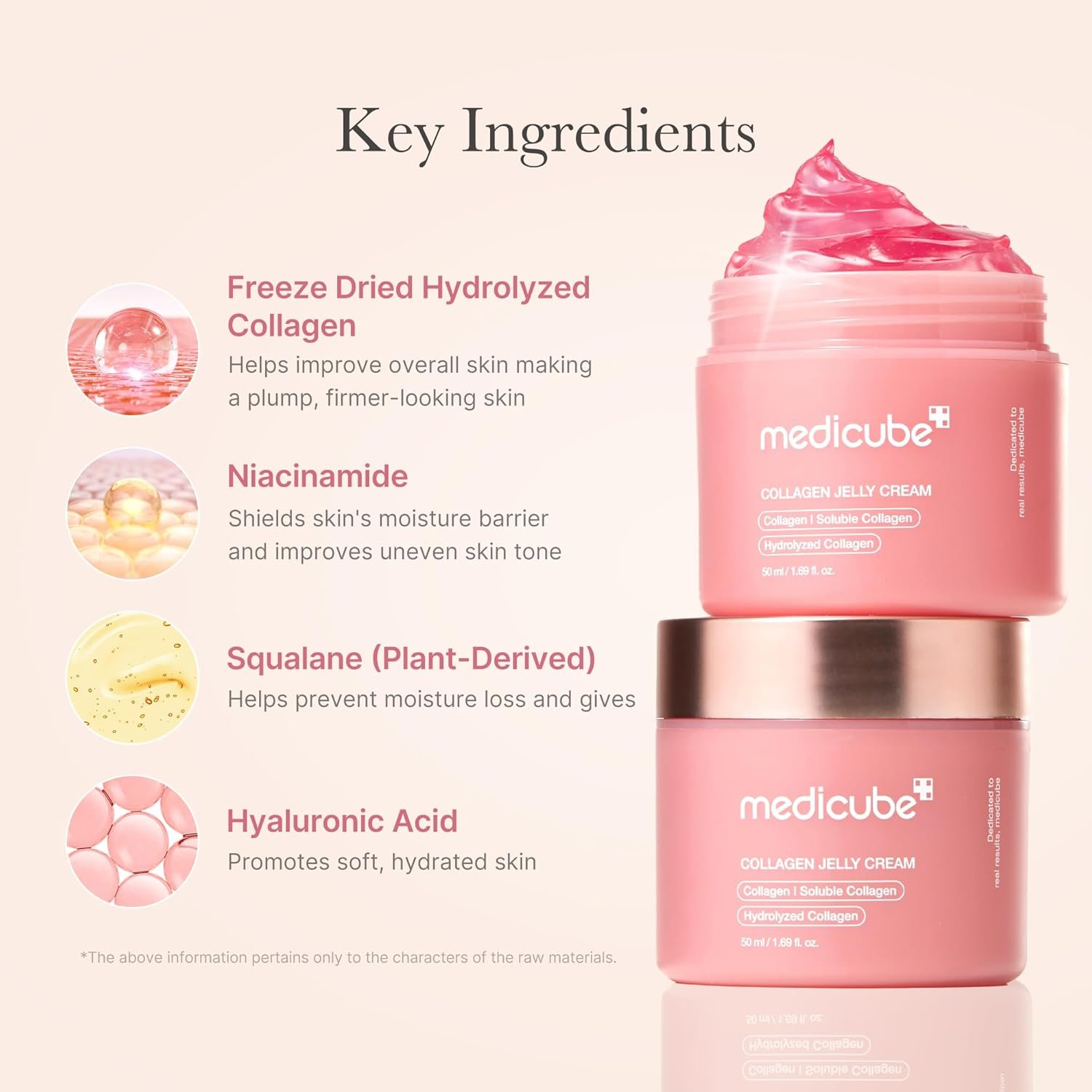
Let’s start with a foundational concept: collagen. Imagine collagen as the scaffolding that holds up a building. In your skin, it’s a crucial protein that provides structure, firmness, and elasticity. As we age, our natural production of this scaffolding slows down, leading to sagging and fine lines. Now, you might think that simply applying collagen on top of your skin would fix this, but it’s not that simple. A whole collagen molecule is quite large and struggles to penetrate the skin’s outer barrier. This is where the ‘hydrolyzed’ part comes in. Hydrolysis is a scientific process that uses water to break down large molecules into much smaller segments, or peptides. Think of it like this: you can’t push a whole tree through a keyhole, but you can break it down into tiny wood chips and pass them through easily. Hydrolyzed collagen consists of these ‘wood chips’—tiny protein fragments that are small enough to be absorbed by the skin. Once absorbed, they act as messengers, signaling your skin to ramp up its own natural collagen production. So, you’re not just pasting on a temporary fix; you’re providing the building blocks and the instructions for your skin to rebuild its own support structure from within. This leads to genuine, lasting improvements in firmness and elasticity.
The science of freeze-drying for maximum potency
The method used to prepare an ingredient is just as important as the ingredient itself. Freeze-drying, or lyophilization, is a sophisticated preservation technique that offers significant advantages for sensitive ingredients like hydrolyzed collagen. How does it work? The process involves freezing the collagen and then placing it in a strong vacuum to remove the water content by turning the ice directly into vapor. Imagine you have a fresh raspberry. If you let it air dry, it shrivels and loses much of its flavor and nutritional value. But if you freeze-dry it, the raspberry retains its shape, color, and most of its nutrients perfectly. The same principle applies to collagen. This gentle, low-temperature process preserves the delicate structure of the collagen peptides. Unlike heat-based dehydration methods that can degrade proteins and reduce their effectiveness, freeze-drying ensures the collagen remains in its most potent and stable form until the moment it’s rehydrated. When you use a product with freeze-dried hydrolyzed collagen, you are getting the ingredient in a state that is as close to its original, active form as possible. This ensures maximum bioavailability and efficacy, meaning your skin reaps the full benefits of the collagen’s signaling and rebuilding power, leading to better results for skin texture and firmness.
How niacinamide acts as the master regulator
If hydrolyzed collagen is the scaffolding for your skin, niacinamide is the master architect and project manager. Also known as Vitamin B3, niacinamide is a true multitasking powerhouse that addresses skin health from multiple angles, creating the perfect environment for that collagen scaffolding to thrive. Firstly, one of its most celebrated functions is strengthening the skin’s moisture barrier. Think of your skin barrier as a well-built brick wall, with skin cells as the bricks and lipids (fats) as the mortar. Niacinamide stimulates the production of ceramides, which are a key component of that lipid mortar. A stronger mortar means less water can escape (preventing dehydration) and fewer irritants can get in. Secondly, niacinamide helps to visibly improve uneven skin tone and texture. It can reduce the transfer of pigment within the skin, which helps to fade dark spots and create a more uniform complexion. It also has a normalizing effect on pore lining, which can help pores from looking enlarged. For a product like the Medicube Collagen Jelly Cream, the inclusion of niacinamide is a strategic choice. It doesn’t just add another benefit; it complements the work of the collagen, ensuring the skin is calm, hydrated, and functioning optimally.
The synergy of collagen and niacinamide for a ‘glass glow’
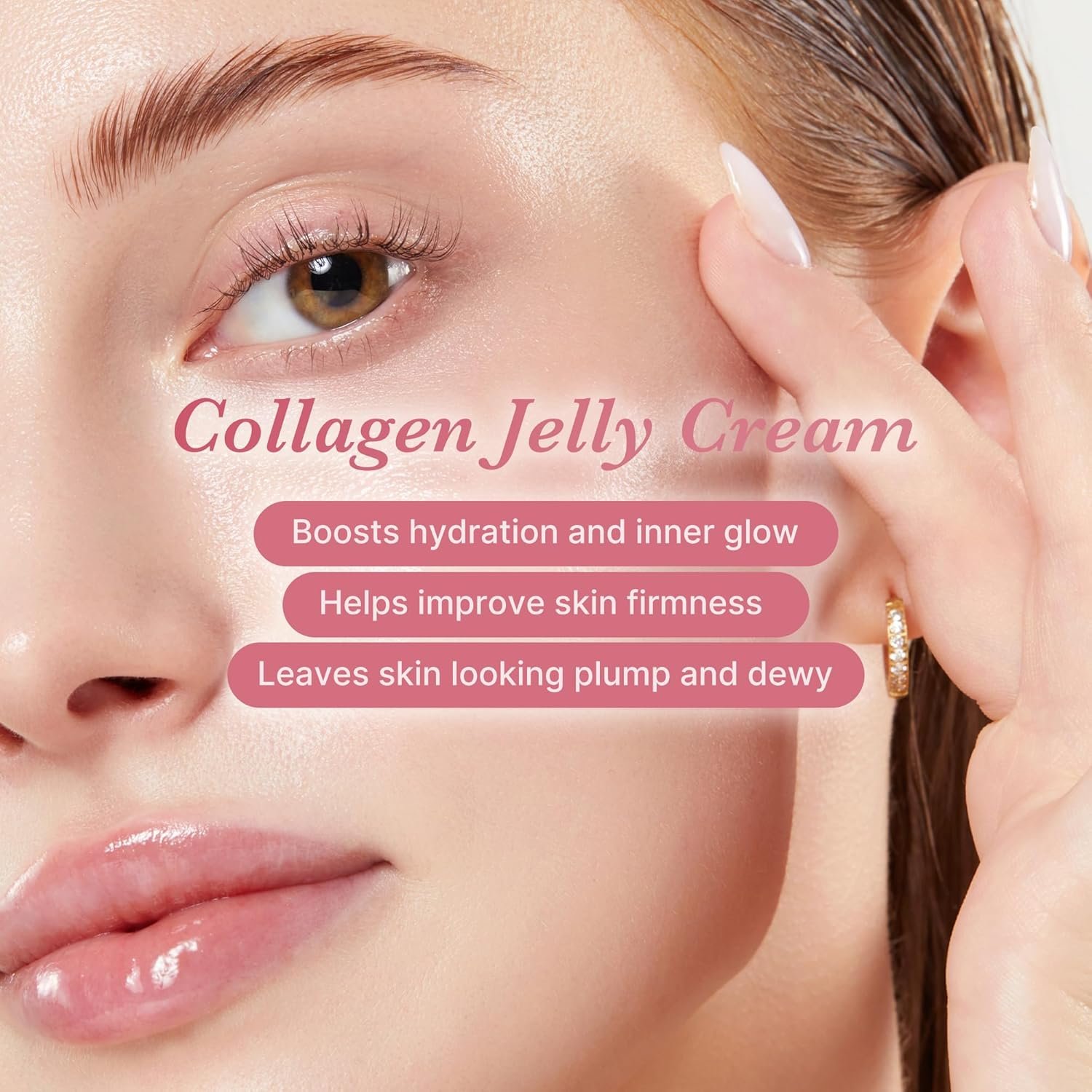
The true magic happens when these two ingredients work together. It’s a classic case of the whole being greater than the sum of its parts. While the hydrolyzed collagen is busy providing the building blocks to improve skin’s underlying structure and firmness, niacinamide is working on the surface and within the barrier to refine and perfect the canvas. This synergistic relationship is what helps achieve that coveted ‘glass glow’ look. What is ‘glass glow’ from a scientific standpoint? It’s simply the result of an exceptionally smooth and well-hydrated skin surface that reflects light uniformly. Niacinamide contributes by strengthening the barrier to lock in hydration and evening out skin tone, which creates a more flawless surface. The hydrolyzed collagen works from beneath to plump the skin and reduce the appearance of fine lines, further smoothing that surface. When your skin is plump, firm, and has a strong, hydrated barrier, it naturally looks luminous and dewy. It’s not an artificial shine; it’s a sign of truly healthy skin. This combination addresses both the foundation and the finish, ensuring skin is not only stronger and more elastic but also visibly brighter and more radiant.
Why this approach matters for long-term skin health
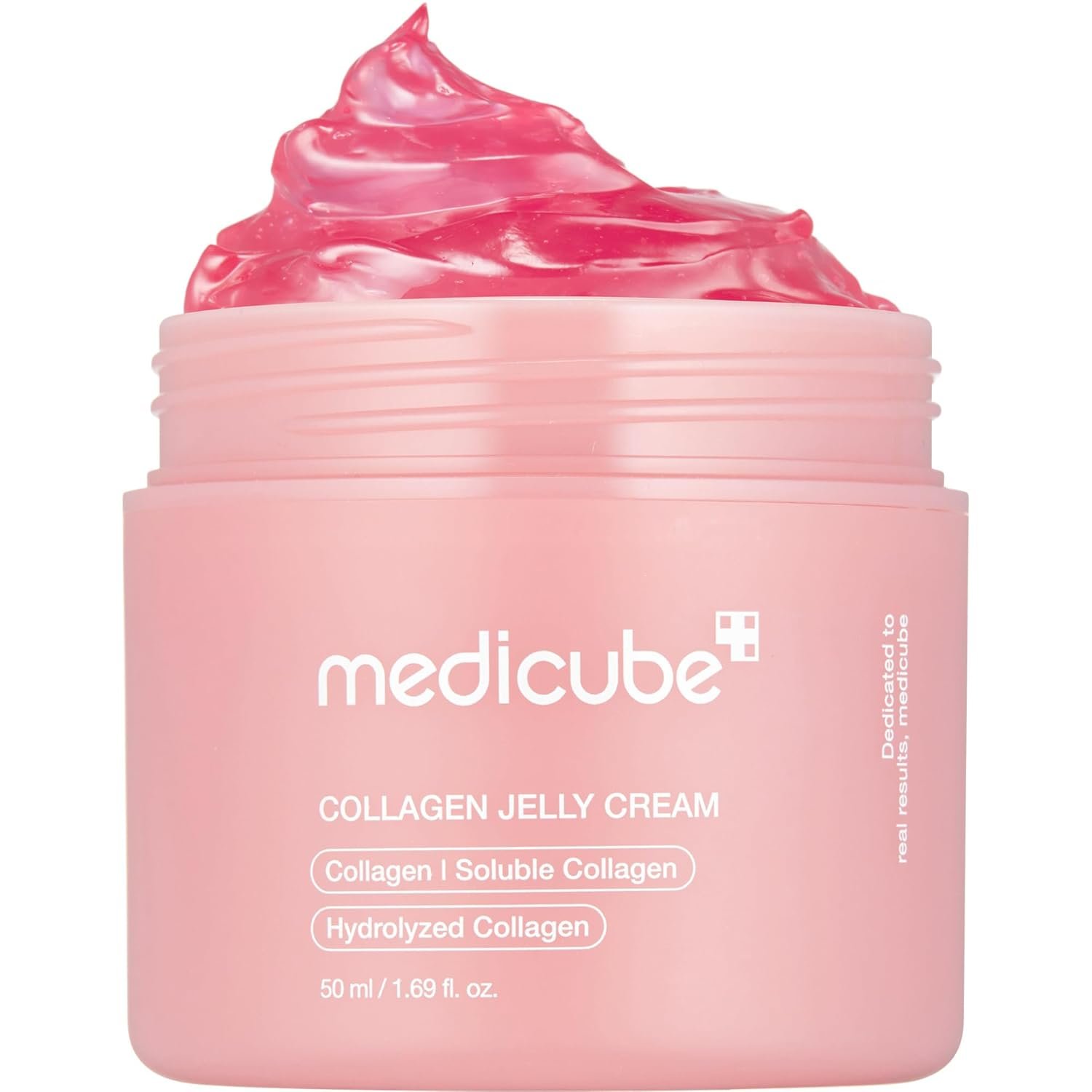
Focusing on ingredients that support your skin’s own natural functions is the most effective strategy for long-term skin health. Instead of creating a temporary surface effect, the combination of freeze-dried hydrolyzed collagen and niacinamide encourages your skin to behave more youthfully on its own. The collagen peptides stimulate your internal collagen factory, while niacinamide ensures the factory’s defenses (the skin barrier) are strong and the production line is running smoothly. This approach leads to more resilient skin that is better equipped to handle environmental stressors. It’s a proactive method rather than a reactive one. The improvements in elasticity and firmness are not just a cosmetic illusion; they are the result of a healthier, better-functioning skin matrix. Products built on this philosophy, like the Medicube Collagen Jelly Cream, are designed to deliver these scientifically-backed ingredients in an effective format. A silicone-free, low-irritant formula with a skin-friendly pH ensures that these powerful actives can do their job without causing unnecessary disruption or irritation. This is the essence of smart skincare: using targeted, potent ingredients that work with your skin, not against it, to build lasting strength and radiance.
How to integrate a collagen jelly into your routine
Integrating a potent formula like a collagen jelly cream into your skincare routine is straightforward, but should be done with intention to maximize its benefits. This type of product is typically designed to be a moisturizer, meaning it should be applied as one of the final steps in your routine, just before sunscreen in the morning. After cleansing, toning, and applying any targeted serums (like vitamin C, retinoids, or other specific treatments), you can apply the jelly cream. The instruction to use a ‘quarter amount’ suggests a concentrated formula, so you can start with a small amount and add more if needed. The unique texture of a jelly cream is designed to form a hydrating, occlusive layer that seals in the benefits of the products applied beforehand. Gently massage it into the face, neck, and décolletage. The ‘décolletage’ is an often-neglected area that shows signs of aging just as much as the face, so its inclusion in the instructions is a professional tip worth following. Using it both morning and evening provides a continuous supply of these key ingredients, allowing the collagen peptides and niacinamide to work around the clock to support skin repair, hydration, and resilience. Consistency is key for seeing significant improvements in skin elasticity and glow.
Conclusion
For the skincare-savvy individual, understanding the ‘how’ and ‘why’ behind a product’s formulation is paramount. It’s not enough to see ‘collagen’ on a label; it’s about understanding that the ‘hydrolyzed’ and ‘freeze-dried’ nature of that collagen is what makes it effective for improving elasticity. Similarly, recognizing niacinamide not just as a trendy ingredient, but as a fundamental pillar for barrier support and skin tone regulation, allows you to make more informed choices. The combination of these two powerful, scientifically-backed ingredients offers a comprehensive approach to skin health. One works on rebuilding the foundational structure and firmness from within, while the other perfects the surface, enhancing hydration, texture, and radiance. This strategic pairing moves beyond superficial fixes, fostering an environment where the skin can genuinely repair and strengthen itself. The result is a complexion that doesn’t just look temporarily dewy, but is fundamentally healthier, more resilient, and visibly more elastic.
Leave a Reply